Cultural outings organised by the association
Registration for outings opens approximately four weeks in advance.
To register for an outing, simply print and return the form available under the description of each outing, accompanied by a cheque made payable to the Friends of the Museums, to the following address:
Association des Amis des Musées
Antoine Vivenel et de la Figurine
2 bis, rue d’Austerlitz
60200 Compiègne
(The various registration forms are in PDF format, which requires Adobe Acrobat Reader or Preview)
Outings 2026
▪▪▪ Day trip to the Château de Fontainebleau
Thursday 2 April 2026
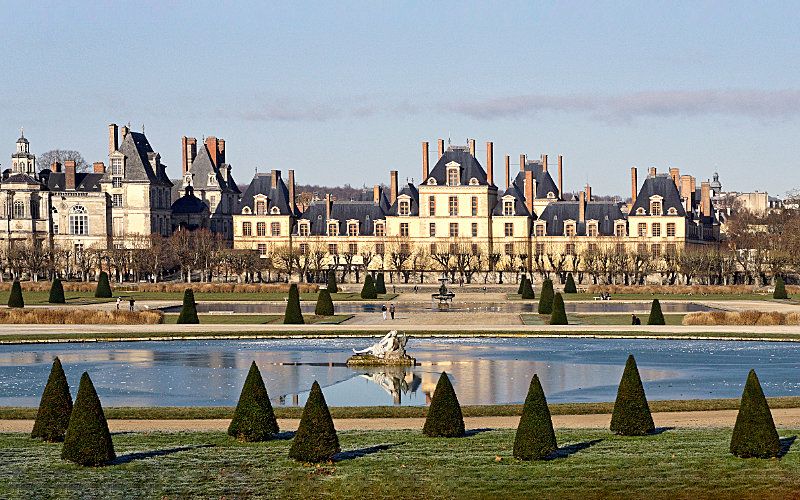
Fontainebleau Castle, with 800 years of history, 1,536 rooms spread across five courtyards, and 130 hectares of parks and gardens, tells a multitude of stories from its foundation by Louis VII the Younger right up to the Second Empire.
Over the centuries, kings such as Francis I, Henry IV, Louis XIV and Louis XVI, and the emperors Napoleon I and Napoleon III, developed and embellished it to turn it into a place for court life, hunting and holidaying.
In 1927, it became a museum palace, housing a vast collection of artworks. Since 1981, it has been listed as a UNESCO World Heritage Site.
Morning: Self-guided tour, with audio guide, of the State Apartments.
Located on the first floor, they were fitted out by various sovereigns to serve as venues for court life and the display of power.
Located on the first floor, they were fitted out by various sovereigns to serve as venues for court life and the display of power.
Lunch on site at the restaurant ‘Les petites bouches de l’empereur’
Afternoon: Guided tour of Napoleon I’s Small Apartments and the Imperial Theatre.
The Small Apartments on the ground floor were intended for daily life. We thus gain an insight into the emperor’s private life by visiting the bedroom with study, a testament to Napoleon I’s great capacity for work.
Napoleon III’s Imperial Theatre, inaugurated in 1857, is in an exceptional state of preservation. It has retained its original décor. In addition to the sumptuously decorated auditorium, visitors can also see the foyer and adjoining salons. This theatre is considered the last court theatre in French history, as the one in Compiègne, begun ten years later, was never completed
The Small Apartments on the ground floor were intended for daily life. We thus gain an insight into the emperor’s private life by visiting the bedroom with study, a testament to Napoleon I’s great capacity for work.
Napoleon III’s Imperial Theatre, inaugurated in 1857, is in an exceptional state of preservation. It has retained its original décor. In addition to the sumptuously decorated auditorium, visitors can also see the foyer and adjoining salons. This theatre is considered the last court theatre in French history, as the one in Compiègne, begun ten years later, was never completed
▪▪▪ The Louvre-Lens and the mining region
Thursday 22 January 2026
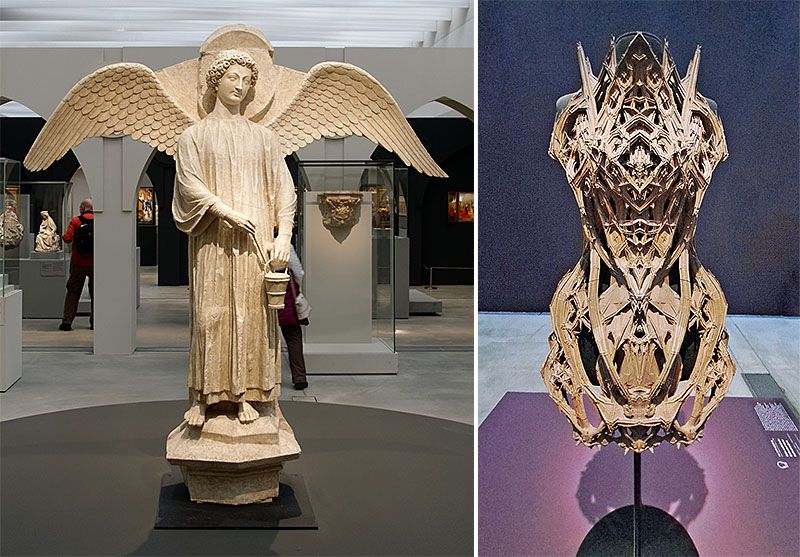
The Louvre-Lens: guided tour of the ‘Gothic’ exhibition.
The museum presents a comprehensive overview of the Gothic period, from the 12th to the 21st century, ranging from cathedral art to contemporary culture, through a variety of works (sculptures, drawings, paintings, stained glass, manuscripts, etc.). A journey through time to better understand this historic artistic language, which is still very much alive.
Self-guided tour of the Galerie du Temps, the permanent collections area.
Spanning 3,000 m², the Galerie du Temps presents 250 masterpieces from the collections of the Louvre and other major national museums, in a chronological and multidisciplinary exhibition. Twelve years after its creation, the museum has completely renewed the works on display, rekindling visitors’ curiosity.
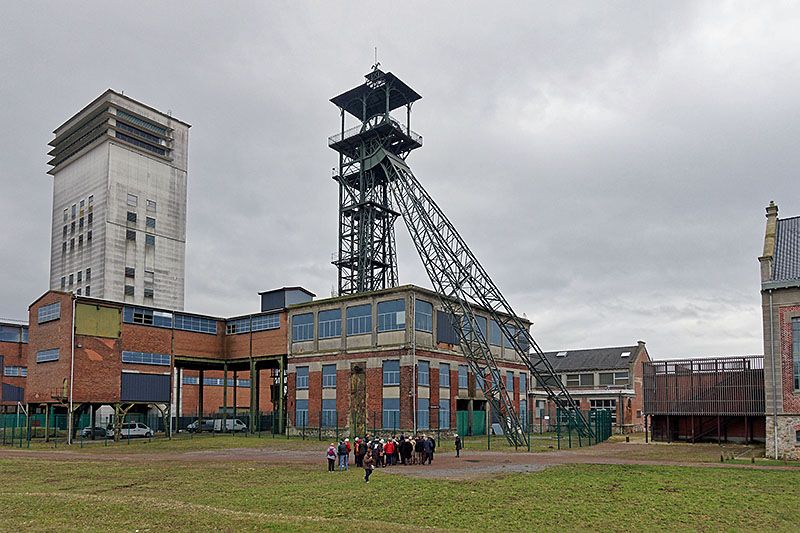
Guided tour of the mining town of Lens.
Bus tour with stops.
Lens lies at the heart of the Nord-Pas-de-Calais mining basin, which has been listed as a World Heritage Site since 2012. Our tour will provide an in-depth look at the industrial and social life linked to the mine, the preserved heritage and the challenges of its regeneration. This exploration will also help you understand why today the Louvre-Lens National Museum, built on a former mine shaft, embodies the hope of social and economic renewal for the mining basin.
Lens lies at the heart of the Nord-Pas-de-Calais mining basin, which has been listed as a World Heritage Site since 2012. Our tour will provide an in-depth look at the industrial and social life linked to the mine, the preserved heritage and the challenges of its regeneration. This exploration will also help you understand why today the Louvre-Lens National Museum, built on a former mine shaft, embodies the hope of social and economic renewal for the mining basin.
Outings 2025
▪▪▪ The Ardennes, around Rethel
Thursday 20 November 2025
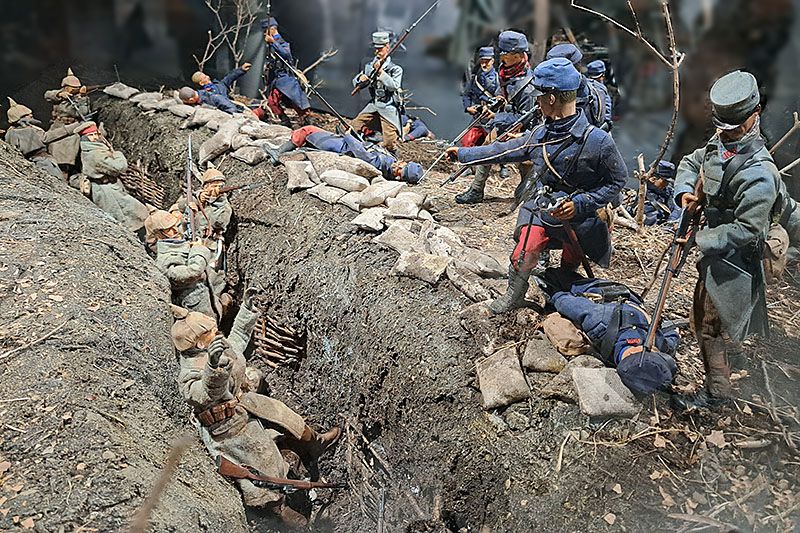
Novion-Porcien: guided tour of the War and Peace Museum.
The Ardennes have been at the heart of the Franco-German conflicts that shaped modern Europe on three occasions. This museum is dedicated to them, focusing on the human and material aspects of the wars of 1870, 1914–1918 and 1939–1945.
Juniville: guided tour of the Paul Verlaine Museum.
Located in the former Lion d’Or inn, where the poet wrote from 1880 to 1882. Preserved in its original state and designated a Maison des Illustres, this site allows us to explore the turbulent life and work of the ‘cursed poet’.
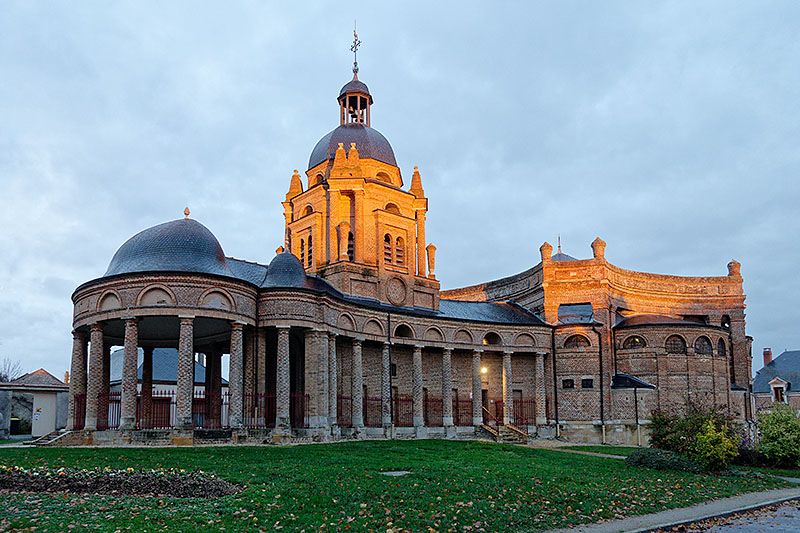
Asfeld: a guided tour of Saint-Didier Church.
One of the most surprising churches in France. At the request of its patron, the building, rebuilt in 1680, was to be inspired by the shape of a musical instrument. Its curvilinear forms echo those of a viola da gamba. Furthermore, the use of brick in its construction makes it unique in the region.
▪▪▪ Reims: the cathedral and the art of reconstruction
Thursday 16 October 2025
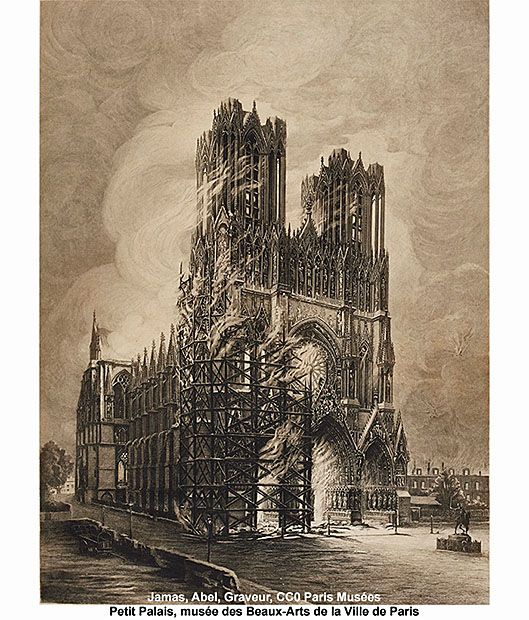
Notre-Dame Cathedral and walking tour.
Guided tour of Notre-Dame Cathedral, a UNESCO World Heritage Site.
Burned down three times and rebuilt three times, the coronation cathedral has been restored to its original state, but also in an innovative way, as its framework is made of concrete.
A walking tour will then focus on the heritage of the 1920s, symbolising the city’s ability to rise from the ruins of the First World War. Reims thus offers an architectural eclecticism blending Neoclassicism, late Art Nouveau, and Art Deco.
Chemin Vert garden city and Saint-Nicaise Church.
Guided tour of the Chemin Vert garden city, designed according to the principles of hygienist urban planning and modern architecture, and ofSaint-Nicaise Church, an example of 1920s religious architecture. The church features frescoes by Maurice Denis, stained-glass windows by René Lalique, and paintings by Gustave Louis Jaulmes, renowned artists involved in the revival of sacred art.
▪▪▪ Life in the Castles
Thursday 3 April 2025
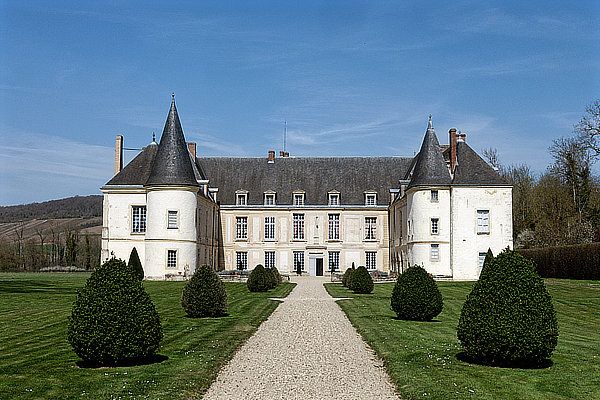
Condé-en-Brie: guided tour of the château of the Princes of Condé, Bourbon and Savoy.
Purchased by the Marquis de la Faye in the 18th century, this Renaissance hunting lodge was transformed by G. N. Servandoni, an architect, painter and theatre set designer.
Listed as a Historic Monument, the château is a private residence, inhabited year-round. We will be welcomed by its owner.
Listed as a Historic Monument, the château is a private residence, inhabited year-round. We will be welcomed by its owner.
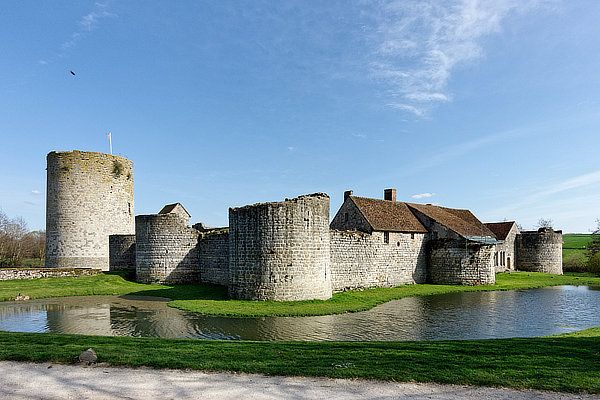
Nesles: tour of the remains of the medieval castle (early 13th century).
This castle is one of the finest examples of military architecture under Philip Augustus. Captured by the English during the Hundred Years’ War, the castle became the property of Guillaume de Flavy, former captain-governor of Compiègne.
Guided tour by the owner.
Guided tour by the owner.
▪▪▪ Matisse, the master of colour
Thursday 30 January 2025
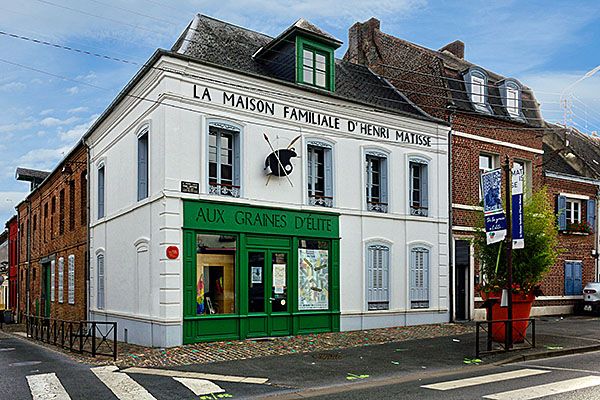
Bohain-en-Vermandois: guided tour of Henri Matisse’s family home.
Born in 1869 in Le Cateau-Cambrésis, Matisse spent his youth in Bohain-en-Vermandois at the family seed shop. Designated a “Maison des Illustres”, the house has retained its late 19th-century atmosphere and features a reconstruction of the painter’s studio and bedroom.
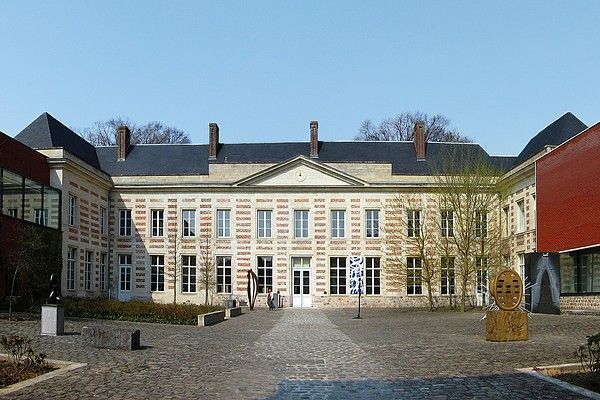
Le Cateau-Cambrésis: guided tour of the Henri Matisse Departmental Museum.
Housed in the former Palais Fénelon, the museum, founded in 1952 by Matisse himself, reopened in November 2024. Renovated and expanded, it offers an insight into the diversity of the painter’s work, which spanned sculpture, printmaking, illustration and stained glass. It houses one of the world’s most significant Matisse collections.